
All illustrations by Joel Hopler. First published on this blog from March through September of 2013. Click on any image to see a larger version.
The Economist Illustrated - El Salvador’s gangs: The year of living less dangerously
The Inspiration
El Salvador’s gangs: The year of living less dangerously
Illustrator’s Notes
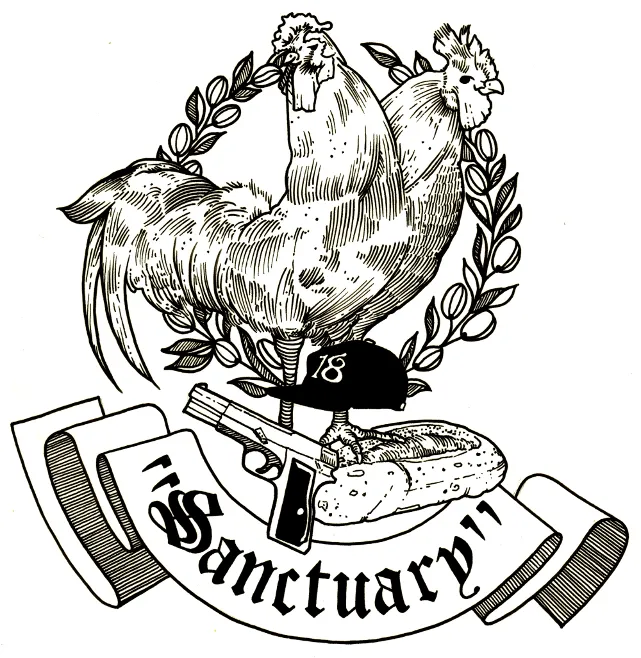
The imagery of two roosters coming together as one, seemed to be an appropriate representation of the two notorious gang leaders coming to a mutual cease-fire. The images at the feet of the roosters are meant to reference competing elements facing El Salvador. The history of gang violence, represented by the “18” baseball cap worn by Carlos Mojica Lechuga, competing with the extortion still rampant and the government attempts to provide alternative forms of income, shown by the hand-gun and loaf of bread. The banner that runs across the bottom displays in quotes, “Sanctuary”, which is the quickly rejected name for Peace Zones dedicated to changing the violent environment.
The Economist Illustrated - Mining in Kyrgyzstan: Gold in the hills
The Inspiration
Mining in Kyrgyzstan: Gold in the hills
Illustrator’s Notes
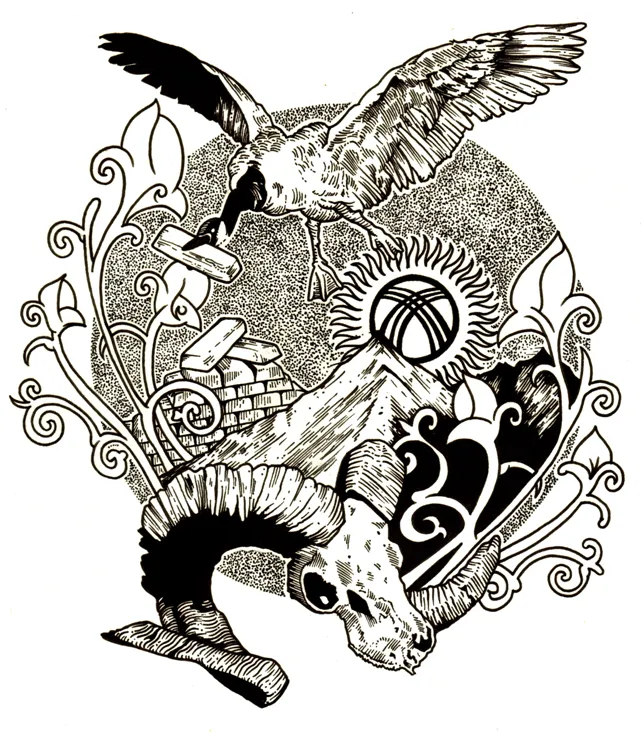
The most intriguing part of this article to me was the interactions of Kyrgyzstan with a Canadian gold mining company, Centerra Gold. I thought an image of an aging Argali skull, a very large Kyrgyzstan sheep, and a Canadian goose flying away with gold in its mouth would capture that relationship.
The Economist Illustrated - Nigeria: Clubbing together
The Inspiration
Illustrator’s Notes
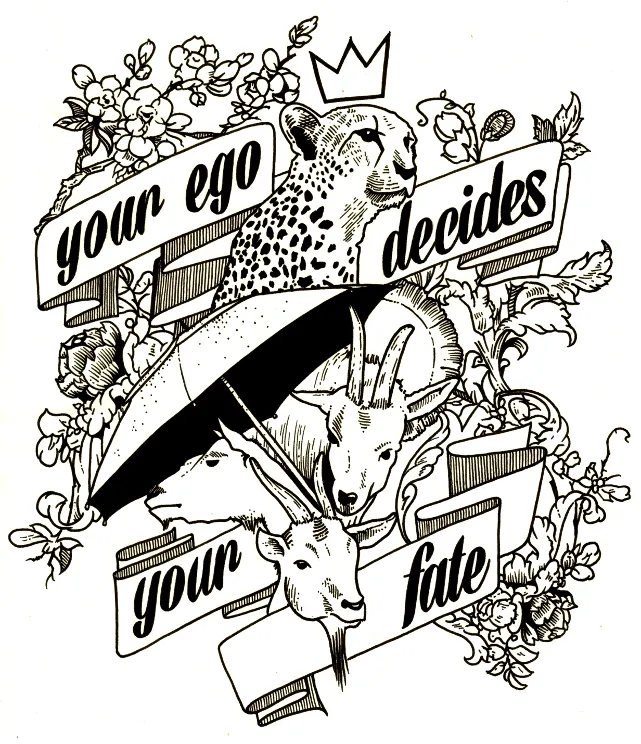
In search of Nigerian animals, I found that the goats were a good representation of the merging political parties well as being a representative of the disgruntled workforce of Nigeria. I thought a Nigerian Jaguar would be great for the PDP. The funny part is that if you Google ‘nigerian jaguar’ you get pictures of a fighter jet. Also, in the last paragraph of the article it says, “A new joke making the rounds in the capital says that, since the main opposition groups are merging, the PDP will form an alliance with the police and the army."" So, the jaguar imagery seemed fitting, especially with a few goats huddled under an umbrella.
The Economist Illustrated - South Africa: Cheerleaders and naysayers

The Inspiration
South Africa: Cheerleaders and naysayers
Illustrator’s Notes
This week’s Special Report, Emerging Africa, included a section on South Africa which popped out, mainly due to the introspection from South Africans reflected in this quote:
Business conferences are filled with frothy talk of African lions overtaking Asian tigers.
Besides the mounted Asian tiger, I injected some pretty obvious symbolism, as the African lion totes a gun and an IOU. Most of the Special Report shows the conflict of a rising African economic power, struggling with varied types of warfare. The dichotomy of internal war and economic growth, seems to draw attention mainly to the banks hopes of being repaid on their investments, hence the IOU.
The Economist Illustrated - China Rebalancing the economy: Bottoms up
The Inspiration
China Rebalancing the economy: Bottoms up
Illustrator’s Notes
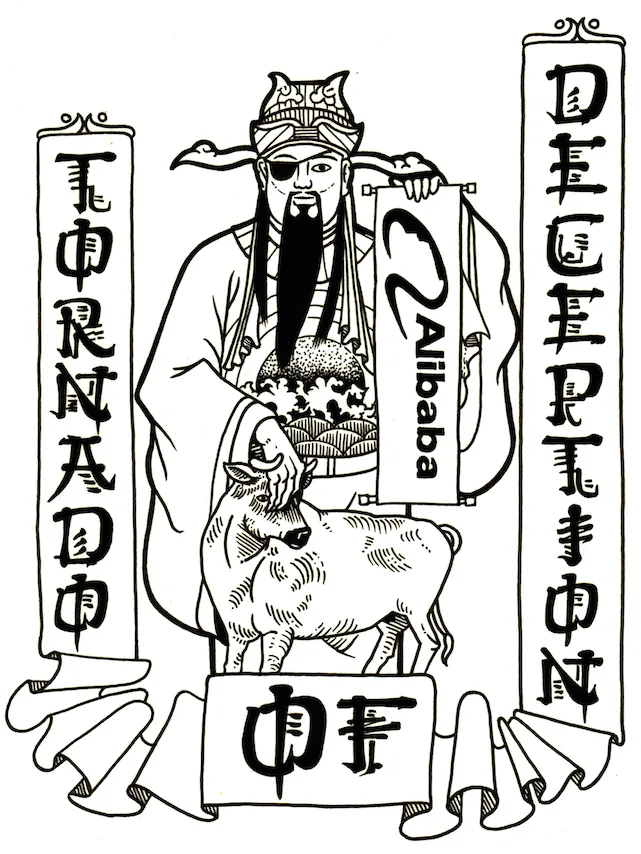
In 2002 Thomas Rawski of the University of Pittsburgh complained about a ‘Tornado of Deception’.
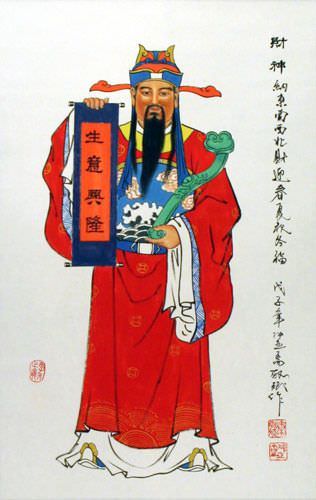
When looking into imagery to represent China’s prosperity, I came across the deity Cai Shen (and in particular, this image by artist Qin Jing Bin). I chose an image of the God of Wealth with an eye patch to signify China’s view of their own statistics. The deity promoting a popular retail website, Alibaba, over a common farm animal highlights the growing awareness of the gap between rural folk and urbanites.
The Economist Illustrated - Egypt’s police: What happened to reform?
The Inspiration
Egypt’s police: What happened to reform?
Illustrator’s Notes
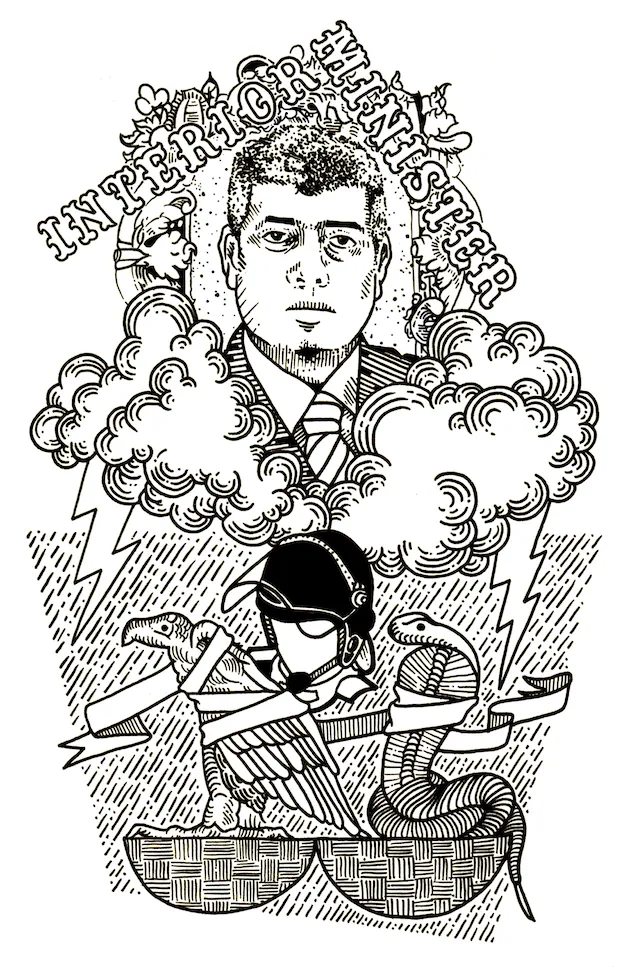
This image includes the Interior Minister, Muhammad Ibrahim, with his head in the clouds since his view of police brutality is considered “an attempt to create an alternative reality”. Beneath the clouds there’s a storm and the Nebty-Tepites, or “Two Ladies” - known as the ancient Egyptian protectors of lower and upper Egypt - are bound.
The Economist Illustrated - Dissent in Egypt: No joking matter
The Inspiration
Dissent in Egypt: No joking matter
Illustrator’s Notes
What stood out to me from this article was a quote from Ahmed Sanoussi in the last paragraph.
…he was asked if there should be any rules for satire. “Yes,” he said, “to attack only the powerful, not the weak.
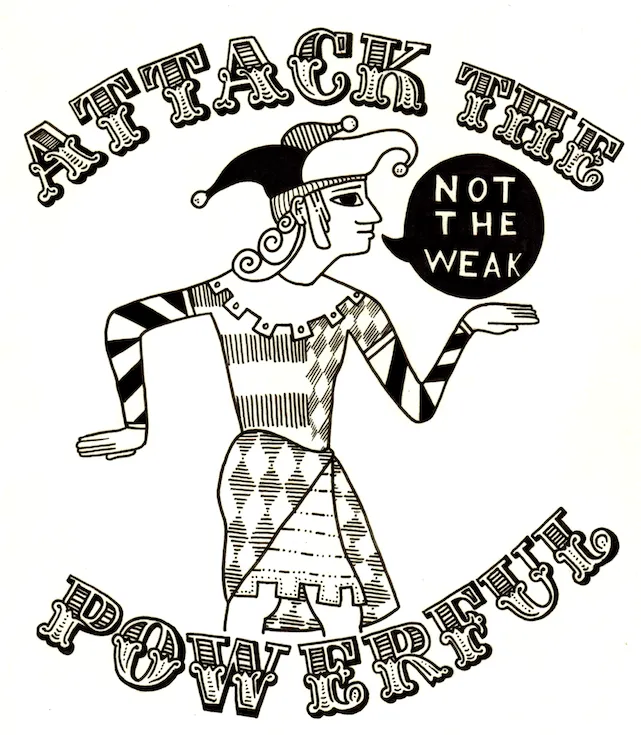
I chose a the imagery of a court jester in the classic “walk like an egyptian” pose, to signify the frailty of the comedian in the presence of modern day kings. The jester is surrounded by the call to attack the powerful, not the weak.
The Economist Illustrated - Northern Iraq: Peace, harmony and oil
The Inspiration
Northern Iraq: Peace, harmony and oil
Illustrator’s Notes
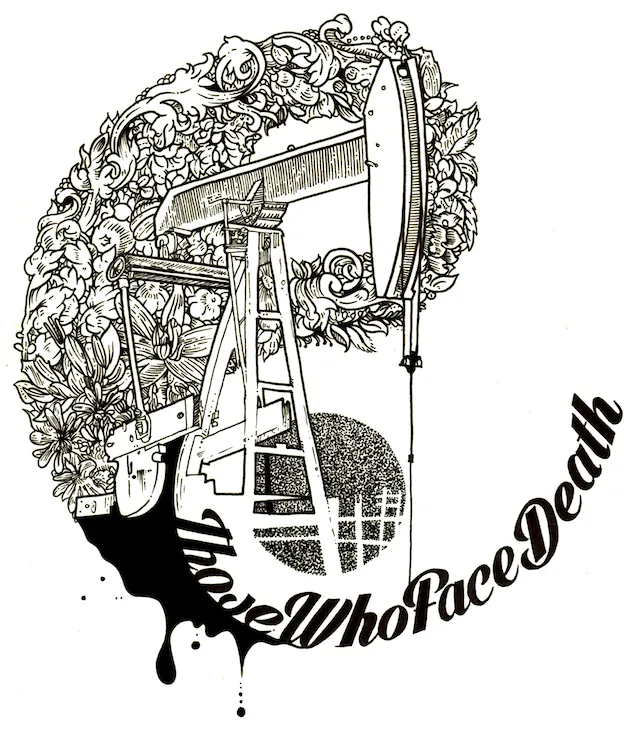
This illustration collects imagery of vegetation in reference to the article’s mention of the Garden of Eden in relation to Kurdistan. I wanted the overall composition to take on the yin and yang symbol of harmony, while the center is overtaken by an oil well. The article also gives hint to the potential for force being needed to protect the Kurdish “Garden of Eden”, so I included the translation for peshmerga, “those who face death”.
The Economist Illustrated - Nigeria: Lurching ahead
The Inspiration
Illustrator’s Notes
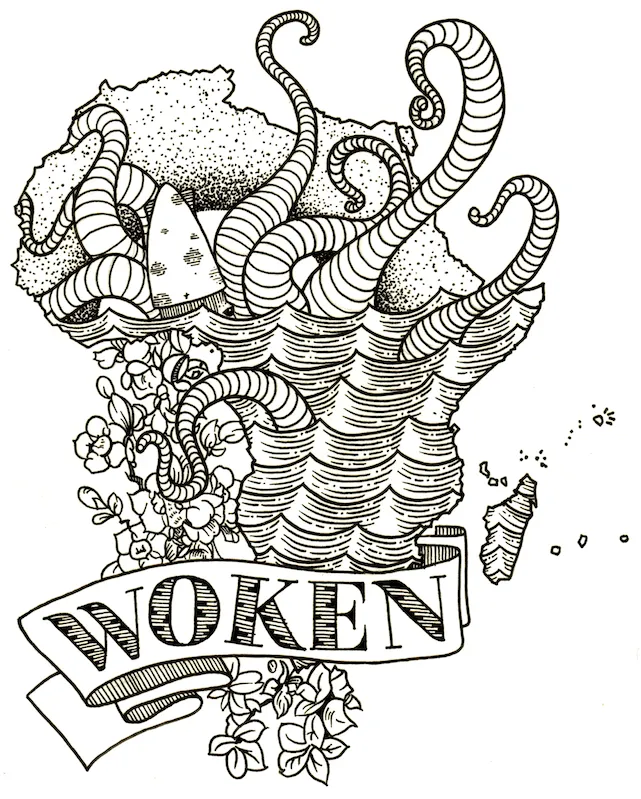
While this article provides an onslaught of imagery, things like “heavyweight boxer” and “African giant”, I thought I’d introduce the imagery of the mythical Kraken. As the article describes the pros and cons of Nigeria becoming a major power, I got the sense of an ancient beast awoken and flailing around. The unpredictability coupled with their potential adds an ominous undercurrent to their being woken.
The Economist Illustrated - Angry young Indians: What a waste
The Inspiration
Angry young Indians: What a waste
Illustrator’s Notes
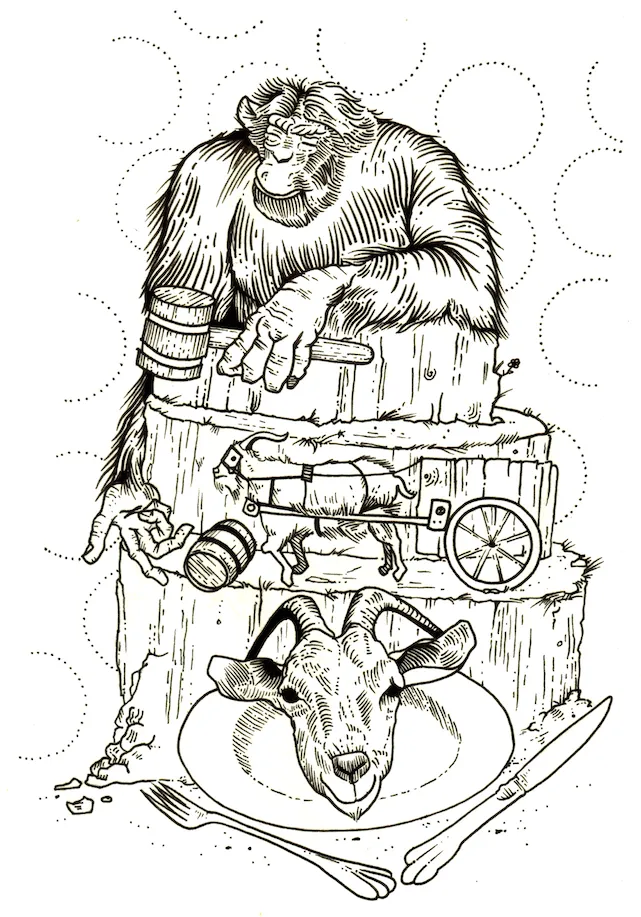
For this illustration, I wanted to showcase the experience of India’s youth as being represented by the goat pulling a cart. Down below, the goat can see a worse fate for itself in the goat head on a plater. Above is an old gorilla with a gavel, representing the politicians and government, hurtling obstacles for the goat to avoid (feel free to read into the Donkey Kong reference).
The Economist Illustrated - Small-scale mining in Indonesia: Herding wildcats
The Inspiration
Small-scale mining in Indonesia: Herding wildcats
Illustrator’s Notes
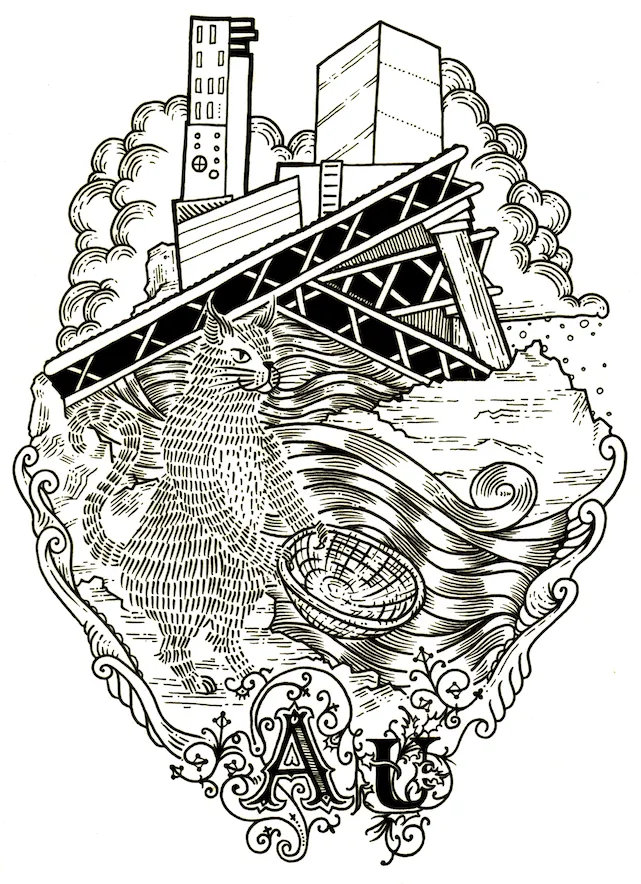
For this image I placed the gold mining plant at the top of the river, to position it’s dominance of the market, with a whimsically styled wildcat, a reference to rouge gold miners, panning for what gold is left downstream. The article seems to promote a coexistence between legitimate mining companies and wildcat miners, so I framed the image nicely with the Periodic Symbol “Au” at the bottom of it all.
The Economist Illustrated - The Gulf of Guinea: Another Somalia?
The Inspiration
The Gulf of Guinea: Another Somalia?
Illustrator’s Notes
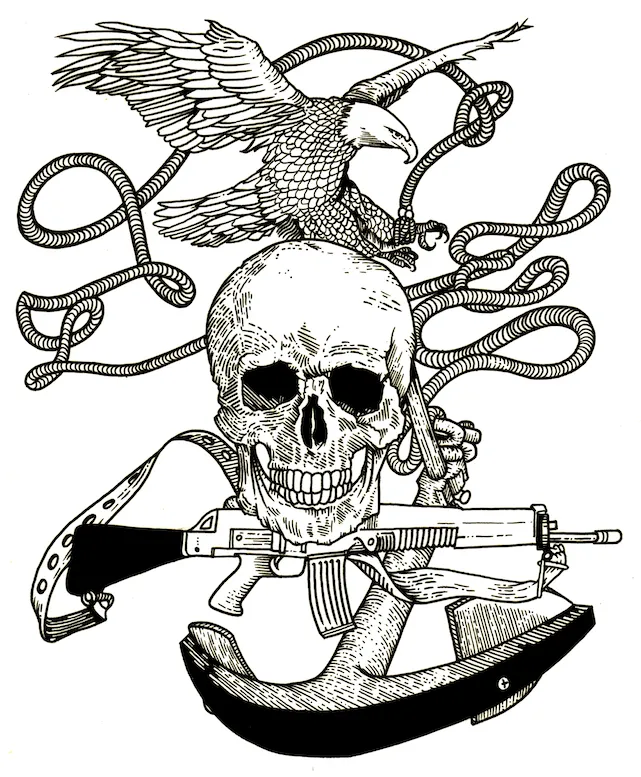
I wanted to work out a modern interpretation of the classic pirate skull by pairing it with a modern gun. I also placed an American Bald Eagle who’s technically tied down to an anchor, but with a long leash. This is in reference to the article’s point that ”[…] west African governments […] have so far not welcomed the idea of Western naval patrols.”
The Economist Illustrated - Iran and alcohol: Wet and dry
The Inspiration
Illustrator’s Notes
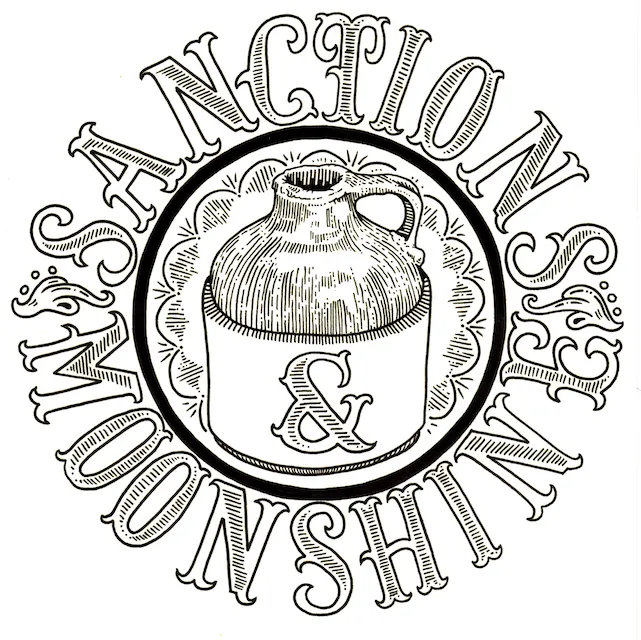
I personally enjoy local moonshine and thought it was interesting that sanctions with negative intentions would aid the business of Armenia’s moonshine industry. Perhaps due to the sanctions, Iran will come around to ending their prohibition and begin a more nuanced approach towards alcohol through regulation.
The Economist Illustrated - Dealing with Pakistan’s extremists: The hawk and the dove
The Inspiration
Dealing with Pakistan’s extremists: The hawk and the dove
Illustrator’s Notes
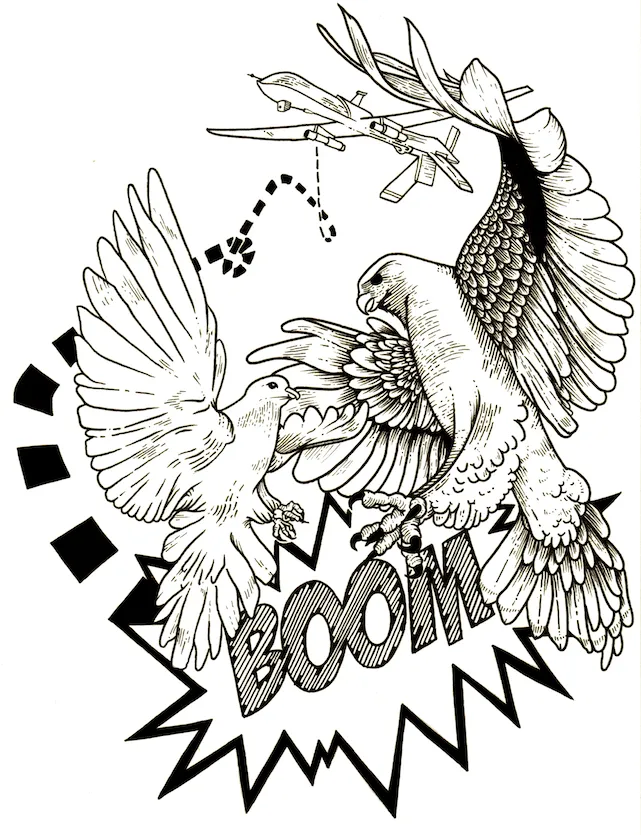
This article had some really accurate and fun imagery so I just went straight for a direct illustration. The hawk represents the army chief of Pakistan and the dove represents the incoming prime minister. While they bicker about policies, there’s a U.S. drone in operation.
The Economist Illustrated - Pakistan’s waning feudalism: Gone with the wind
The Inspiration
Pakistan’s waning feudalism: Gone with the wind
Illustrator’s Notes
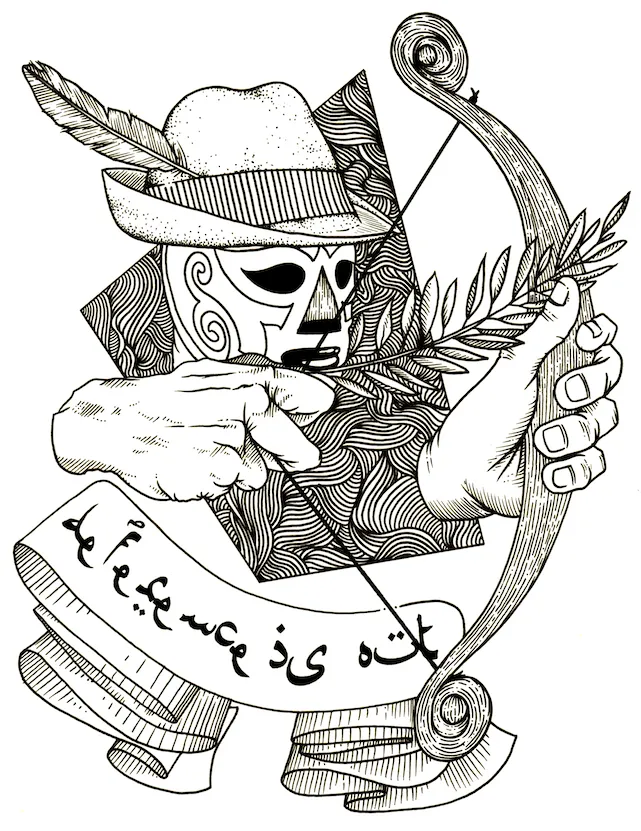
I combined a few references made within the article to assemble an image of Jamshed Dasti. Since he’s the son of a wrestler I gave him a traditional wrestler’s mask and made sure to include the last sentence of the article where he mentions that deference is out. It was also mentioned that he’s “Pakistan’s answer to Robin Hood”, so I gave him the classic Robin Hood hat with a feather and a bow with an olive branch (for peace) instead of an arrow.
The Economist Illustrated - China’s cash crunch: Bear in the China shop
The Inspiration
China’s cash crunch: Bear in the China shop
Illustrator’s Notes
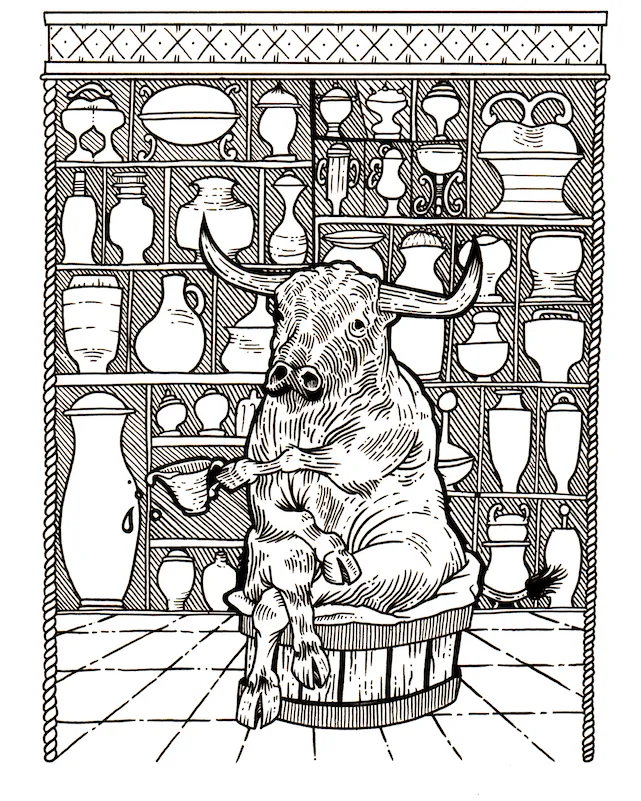
This article left me with the impression that China has potential to rebalance their economy. While the article largely focuses on bearish Chinese lending, the point is made that the Chinese government has effective controls to bring back the bull. To represent this point I show a tamed bull, drinking tea in a china shop.
The Economist Illustrated - Returning students: Plight of the sea turtles
The Inspiration
Returning students: Plight of the sea turtles
Illustrator’s Notes
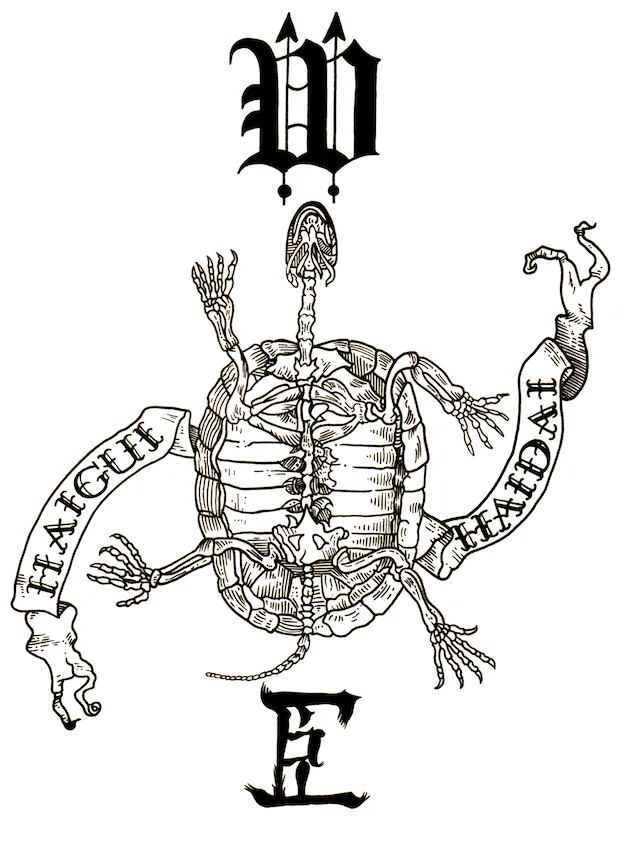
The article made it clear that the sea turtle concept is no longer working in its intended way, so I thought a skeleton of a turtle would illustrate that well. I pointed the turtle westward and labeled it with it’s old and new names, “hai gui” and “hai dai”.
The Economist Illustrated - The third arrow of Abenomics: Misfire
The Inspiration
The third arrow of Abenomics: Misfire
Illustrator’s Notes
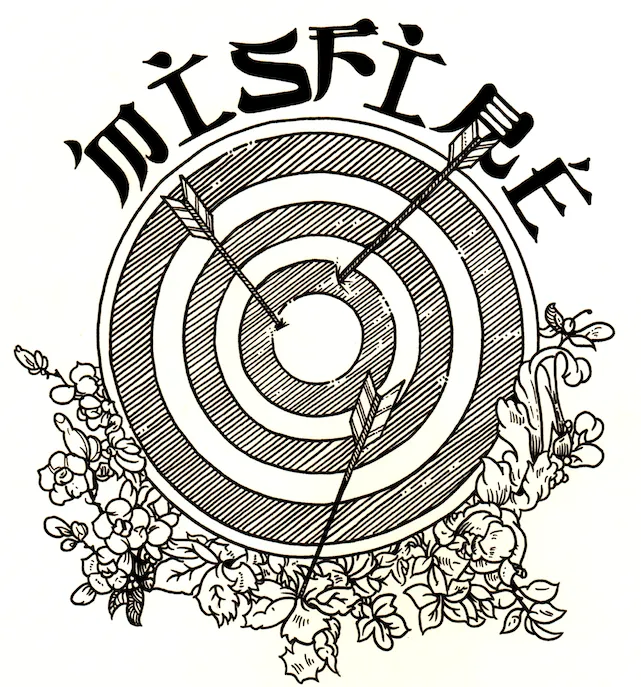
This one’s pretty straight forward and there’s actually two articles that use the same imagery of the third arrow of “Abenomics” (see Shinzō Abe, current Prime Minister of Japan). I really couldn’t believe there wasn’t one image of an arrow and a target, so I just had to snatch that low-hanging fruit.
The Economist Illustrated - Kazakhstan’s capital: Laying the golden egg
The Inspiration
Kazakhstan’s capital: Laying the golden egg
Illustrator’s Notes
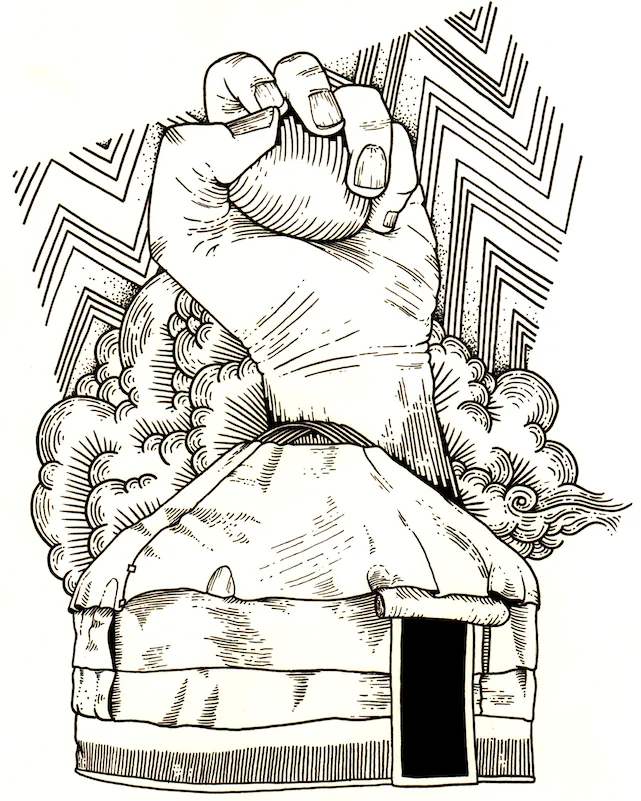
I initially thought it would be ironic to show a golden egg of happiness being held up by a beautiful piece of architecture to symbolize how the president of Kazakhstan is hoarding the people’s happiness. Then I re-read the part of the article that mentions the egg and realized that imagery literally exist through the Bayterek tower. I chose to create an image that more explicitly show’s a powerful fist holding the egg away from the tent of nomads.
The Economist Illustrated - Economic growth: Missing the mat
The Inspiration
Economic growth: Missing the mat
Illustrator’s Notes
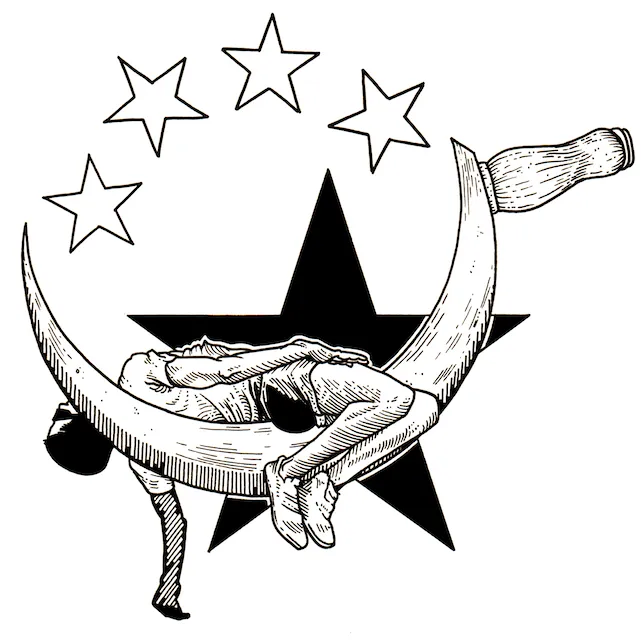
I found the initial metaphor of China’s growth targets being “more like the bar of a high jump” interesting. I thought the high jump imagery, used later in the article in the context of China giving its own economy a boost, would be illustrated well by a high jumper leaping over a sickle, instead of the standard straight bar.